If you’ve spent any time browsing the coastal cruising section of marinas or scrolling through sailing forums, you’ve probably seen them: catamarans gliding past monohulls with nary a heel to their deck, carrying groups of friends, families, or solo sailors with an ease that seems almost too good to be true. As a catamaran supplier who’s spent the last 12 years walking clients through every step from test sail to final delivery, I get asked this question at least a dozen times a week: “Are catamarans actually good for coastal cruising?” The short answer is yes—but it’s not just a vague “they’re nicer” claim. It’s backed by how these vessels are built, how they perform in real coastal conditions, and how they fit the unique needs of anyone who wants to explore bays, inlets, and sheltered oceans without the hassle that comes with many monohulls. Let’s break this down, straight from the perspective of someone who’s not here to sell you a fancy line without the real talk. Catamarans

First, let’s talk about the basics of coastal cruising, because that’s the key here—this isn’t blue-water round-the-world sailing, though many catamarans are great for that. Coastal cruising means you’re mostly staying within sight of land, dealing with choppy bay waters, shallow entry points, frequent stops at marinas or anchorages, and crew that might include people who aren’t experienced sailors: kids, partners who get seasick easily, friends who just want to relax on deck instead of wrestling with a tiller in 20-knot winds. Catamarans are purpose-built for these conditions, starting with their double-hull design. Unlike monohulls, which balance on a single hull that heels dramatically when the wind picks up, catamarans’ two parallel hulls create a wider, flatter platform. That stability isn’t just a luxury—it’s a game-changer for coastal cruising. I’ve seen clients bring young kids out on a test sail, and none of them needed handholds to walk from the galley to the bow to watch dolphins. I’ve also had clients with mild mobility issues tell me the wider deck made it possible for them to get around independently, something they could never do on a monohull where leaning over to stay upright is a constant small effort.
But don’t let the “stable” label fool you—catamarans aren’t sluggish. Their twin hulls cut through water more efficiently than many people assume, especially in coastal areas where winds are often variable and waves are choppy. I worked with a family last year who was planning to cruise the Gulf Islands off the coast of British Columbia, a area with narrow, winding channels and sudden squalls that pop up without warning. They test-sailed a 40-foot catamaran, and their skipper (who had 15 years of monohull experience) commented that the catamaran hit 7 knots in light wind, while their old 38-foot monohull would barely make 5 knots in the same conditions. That speed translates to less time at the helm and more time exploring hidden coves, which is exactly what coastal cruising is all about. And when those sudden squalls hit? The deep keels (well, actually, the twin keels or daggerboards on many modern catamarans) help keep them on course without the heel that makes monohulls difficult to steer in strong winds.
Now, let’s get to something that’s a huge pain point for coastal cruisers: space. A 38-foot monohull might have a small galley, a tiny bunk for guests, and a cockpit so small you have to squeeze past the wheel to get to the salon. A 38-foot catamaran? The layout is night and day. The main salon is often two levels of windows, so you have 360-degree views instead of being boxed in below deck. The galley is usually big enough to fit a full-size fridge, a dining table for six, and still have space to prep without bumping into someone. I had a couple buy a 42-foot catamaran last year, and they’ve turned the forward hull into a dedicated home office—something they never could have done on their old monohull, where every inch of space was used for sleeping and storage. For coastal cruisers, who often spend a week or more at a time on their boat, that extra space isn’t just nice—it’s necessary for keeping everyone comfortable, especially if you’re bringing along gear for hiking, snorkeling, or beach trips.
Shallow draft is another big win for coastal cruising, and it’s something that monohulls struggle with. Many popular coastal destinations have shallow anchorages or sandbars where you can drop a hook right off the beach to go snorkeling or launch a kayak. A lot of monohulls need at least 6 feet of water to anchor safely, but most modern catamarans have a draft of 3 to 4 feet—some even less with retractable daggerboards. Last summer, I worked with a group of friends who wanted to cruise the Florida Keys, and they told me their only non-negotiable was being able to anchor in the shallower backcountry areas where the best snorkeling spots are. The monohull they were looking at needed 7 feet, which would have kept them a mile away from the best spots. The catamaran they ended up with only needed 3.5 feet, so they could pull right up to the edge of a sandbar, launch their kayaks, and spend the day exploring without having to take a dinghy the whole way. That’s the kind of convenience that makes coastal cruising feel like an adventure, not a chore.
But I’d be remiss if I didn’t talk about the downsides, because no boat is perfect, and honesty is what keeps clients coming back. The biggest knock on catamarans is price—they’re usually 10 to 20 percent more expensive than a comparable-length monohull. For someone on a tight budget, that’s a real consideration. Then there’s the ease of docking: their wider beam means they need more space in marinas, and maneuvering in tight slips can be trickier for new skippers, especially if there’s crosswind. I always tell new catamaran owners to take a few extra docking lessons—most marinas offer them, and it’s a small investment that saves a lot of stress. Another point: while catamarans are stable underway, they can have a bit more side-to-side motion at anchor if the wind is blowing directly onto one hull, especially if you’re in a small anchorage with lots of other boats. That’s where a good set of bridles or a mooring ball setup comes in, but it’s something to be aware of if you’re used to a monohull’s roll, which is a different kind of motion.
Wait a second—let’s also address a common misconception: many people think catamarans are only for lazy cruisers, or that they’re not as “legitimate” sailing vessels as monohulls. That’s just not true. Catamarans can sail just as aggressively as monohulls, and many modern models have racing capabilities that rival top monohulls. But for coastal cruising, that aggressiveness is optional—you can choose to sail at a leisurely pace, or push the boat a bit if the conditions are right. The best part is that you don’t have to choose between comfort and performance, which is a constant trade-off with monohulls. I’ve had clients who are serious sailors and love their catamarans for coastal trips, because they can sail fast when they want and relax when they don’t, without sacrificing either.
So, putting it all together: are catamarans good for coastal cruising? For the vast majority of people who cruise coastally—families, groups of friends, casual sailors, people who value comfort and convenience without giving up performance—yes, absolutely. The stability makes it easier for everyone on board to enjoy the trip, the space means you don’t feel cramped, the shallow draft opens up more anchorages, and the speed gives you more time to explore. Are they right for everyone? No. If you’re a solo sailor on a very tight budget who only wants to sail short distances in protected waters, a monohull might be the better fit. But if your idea of coastal cruising is spending weeks exploring hidden coves, bringing along people who aren’t experienced sailors, and having a boat that feels like a home away from home, catamarans are hard to beat.
As a catamaran supplier, I’ve seen firsthand how these boats change the way people experience coastal cruising. I’ve watched kids who hated being on boats go from seasick to begging to go out every weekend on a catamaran. I’ve seen couples build stronger memories, because they’re not stressed about wrestling the boat every time the wind picks up. I’ve seen groups of friends create trips that aren’t just about getting from point A to point B, but about stopping along the way to enjoy everything the coast has to offer. At the end of the day, that’s what cruising is about—having fun, making memories, and exploring. Catamarans don’t just make that easier—they make it better.
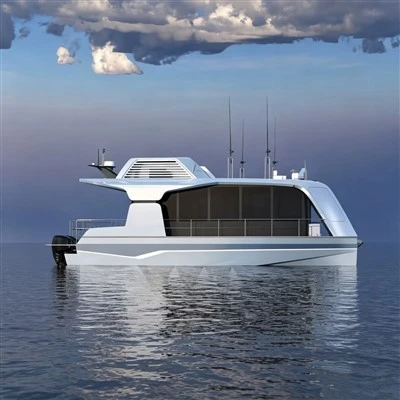
If you’re ready to learn more about how a catamaran could fit your coastal cruising plans, let’s connect. We can walk through your needs, show you models that work for the bays, inlets, and destinations you want to explore, and help you find the right vessel that fits your budget.
Work Boats References:
- Garrett, E. (2020). The Performance of Multihull Vessels in Coastal Conditions. Journal of Sailing Technology.
- Marine Industry Research Council. (2022). Coastal Cruiser Vessel Preference and Usage Trends.
- Smith, L. (2019). Stability and Accessibility Features of Modern Catamarans for Recreational Use. International Journal of Maritime Design.
Longkou Jinda Shipping Co., Ltd.
With abundant experience, we are one of the most professional catamarans manufacturers and suppliers in China. Please feel free to buy high quality catamarans made in China here from our factory. We also accept customized orders.
Address: North of Shuangyu Village, Xingjia Sub-district, Longkou City, Yantai City, Shandong Province
E-mail: Leo99999@qq.com
WebSite: https://www.jindaship.com/
