If you’ve ever seen someone who’s experienced a traumatic blow to the face—whether from a car accident, a sports injury, or a fall—you might notice something more than just the immediate bruising or swelling that sticks around: changes in how they speak, chew, or even breathe. As someone who’s spent the last 12 years supplying specialized facing head solutions to oral and maxillofacial surgeons, I’ve heard this question a hundred times: Can a maxillofacial fracture cause lasting head and face problems? Facing Head
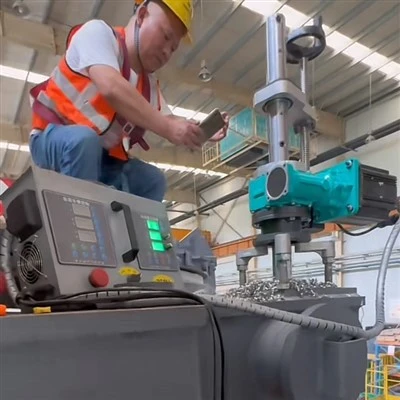
The short answer is yes, but not in the way many people assume. A maxillofacial fracture isn’t just a broken bone in the cheek, jaw, or eye socket—it’s a disruption to the entire network of structures that connect your face to your skull, and when those connections are off, the ripple effects can go far beyond pain. Over the years, I’ve worked with surgeons who’ve treated patients who thought their fracture “healed fine” only to develop chronic headaches, jaw pain, or even trouble sleeping months later. That’s the part most people don’t talk about, and it’s why our team has spent years refining our facing head products to help prevent and manage those exact long-term issues.
Let’s start with the basics: what a maxillofacial fracture actually is. The facial skeleton is made up of 14 bones that are fused together, held in place by tiny ligaments, muscles, and nerves that link directly to the cranial base (the part of the skull that holds your brain). When a fracture occurs—say, a shattered jaw from a bike crash or a cracked cheekbone from a fall—those connections get damaged. If the fracture isn’t properly aligned during treatment, the bones heal in a slightly off position. That might seem like a small adjustment, but it throws off the entire biomechanics of the face.
I remember a patient named Marcus I met a few years back. He was 28, a construction worker, and he’d fallen 20 feet from a scaffold, breaking his mandible (lower jaw) and zygomatic bone (cheekbone). His surgery went well—surgeons wired his jaw shut for six weeks, and when it healed, his X-rays looked perfect. But six months later, he came back complaining of constant tension headaches, pain when he chewed, and a persistent clicking in his jaw. The surgeon ran tests and found that his bite was slightly misaligned, just 1.2 millimeters off center. That tiny shift was pulling on the muscles in his face and neck, which tugged at the cranial nerves, triggering headaches that Marcus described as “like a vice around my head.”
That’s where facing head solutions come in. Facing heads are specialized tools that help surgeons and clinicians measure, align, and support the facial skeleton before, during, and after fracture treatment. They’re not just for reconstructive work—they’re for preventing the kind of subtle misalignment that leads to the head and face problems patients like Marcus face every day.
So, what specific head and face problems can stem from an untreated or poorly treated maxillofacial fracture? Let’s break them down into three common, often overlooked categories.
First, chronic musculoskeletal pain and headaches. When the facial bones are misaligned, the muscles that control chewing, speaking, and facial movement have to work harder than normal to compensate. Over time, this constant overexertion leads to tension in the temporomandibular joints (TMJs)—the hinges that connect your jaw to your skull—and the surrounding neck and facial muscles. A 2021 study in the Journal of Oral and Maxillofacial Surgery found that 68% of patients who had undergone maxillofacial fracture repair reported persistent headaches at a 12-month follow-up, compared to 12% of the general population. Most of those headaches were linked to malocclusion (misaligned bite), which is directly tied to how accurately the fracture was aligned during surgery. The right facing head tool can help surgeons map the patient’s natural facial and jaw alignment before the fracture, so they can replicate that exact position during repair, reducing the risk of malocclusion and the pain that comes with it.
Second, sensory nerve issues that affect the face and head. The facial skeleton is packed with tiny sensory nerves that run from the brain to the skin, teeth, and gums. When a fracture occurs, these nerves can be stretched, crushed, or severed. While some numbness or tingling is common in the first few weeks after injury, it can become a long-term problem if the bones heal in a way that puts constant pressure on the nerve. For example, the infraorbital nerve runs along the cheekbone, and a fracture there that heals misaligned can cause chronic numbness in the upper lip, cheek, and even the side of the nose, or sharp, shooting pains that feel like they’re radiating into the head. Facing heads help clinicians identify the exact path of these nerves before surgery, so they can plan the repair to avoid putting pressure on them during healing. That’s a detail that can make the difference between a patient who fully recovers and one who deals with nerve pain for years.
Third, functional problems that impact daily life, with secondary effects on head health. A misaligned jaw or broken facial bones can make it hard to chew properly, leading to poor nutrition and weight loss. It can also distort speech, making it hard to communicate clearly, which can cause stress and anxiety. For some patients, especially children, a facial fracture that leads to misalignment can affect how their facial bones grow over time, leading to more severe issues with breathing and even sleep apnea. Sleep apnea is a big one—when the jaw is misaligned, it can collapse the airway during sleep, reducing oxygen flow and leading to morning headaches, daytime fatigue, and increased risk of heart problems long-term. Facing head solutions help monitor growth in pediatric patients, so clinicians can intervene early to prevent these functional issues from turning into chronic health problems.
I’ve seen first-hand how a small fracture that seems minor can snowball into big head and face problems if not treated with precision. That’s why my team and I have focused on building facing head products that are both clinically accurate and easy to use for surgeons, especially in emergency settings where maxillofacial fractures are common. Early in my career, I worked with a trauma surgeon in Dallas who told me that 30% of his maxillofacial fracture patients left the ER with suboptimal alignment because the tools he had to work with were bulky and not precise enough. That stuck with me, and it’s why we’ve spent years testing our facing heads with surgeons across the country, refining the design to get measurements within 0.5 millimeters—enough to make a huge difference in long-term outcomes.
It’s important to note that not all head and face problems after a maxillofacial fracture are directly caused by the bones. Some can be from the trauma itself—concussions are common in facial injuries, for example. But even in those cases, the alignment of the facial skeleton can impact how the brain functions, because the face and skull work together to support cranial structure. A misaligned jaw can pull on the skull, altering the position of the brainstem and other critical structures, which can worsen concussion symptoms like headaches and dizziness. That’s another area where facing heads add value: by providing a 3D map of the patient’s entire facial and cranial structure, clinicians can account for both bone injury and cranial alignment in treatment.
Over the years, I’ve also learned that patient education is a big part of preventing long-term problems. Many patients don’t connect their post-fracture headaches or jaw pain to the initial injury—they think it’s just “part of healing.” That’s why we work closely with the surgeons who use our facing heads, providing them with resources to share with patients about what to watch for after maxillofacial fracture. Common red flags include persistent headaches that don’t go away with over-the-counter pain medication, jaw pain when chewing, numbness that lasts more than three months, or changes in speech or breathing. Catching these issues early is key to correcting them before they become chronic.
Looking ahead, the field of maxillofacial surgery is evolving fast, and facing head technology is keeping pace. New 3D imaging and custom facing head solutions are allowing surgeons to plan and perform fracture repairs with even greater precision, reducing the risk of misalignment and the long-term problems that come with it. But no matter how advanced the technology gets, the core of what we do remains the same: helping patients recover not just from their fracture, but from the issues that can linger for years after.
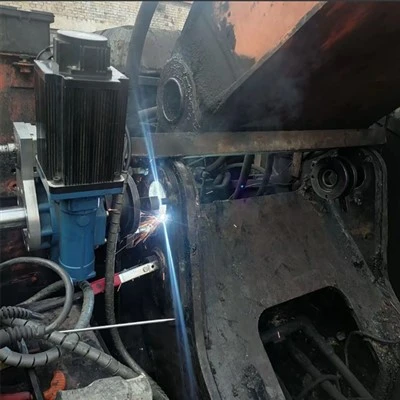
If you’re an oral and maxillofacial surgeon, trauma clinician, or healthcare provider working with patients who have maxillofacial injuries, and you’re looking for reliable, precise facing head solutions to improve your treatment outcomes, we’re here to help. Our team has years of experience supporting clinicians across all settings, from emergency rooms to reconstructive surgery centers, and we work with you to find the right tools for your specific needs. We understand that every patient’s injury is unique, and we’re committed to providing solutions that meet the highest clinical standards.
Facing Head References:
- Journal of Oral and Maxillofacial Surgery. (2021). Long-Term Headache and Musculoskeletal Pain Following Maxillofacial Fracture Repair: A Retrospective Cohort Study. Vol. 79, No. 10, pp. 2124-2131.
- World Journal of Otolaryngology–Head and Neck Surgery. (2019). Temporomandibular Joint Dysfunction and Chronic Headache After Mandibular Fracture. Vol. 5, No. 2, pp. 89-94.
- Pediatric Critical Care Medicine. (2020). Craniofacial Growth Outcomes After Pediatric Maxillofacial Fracture: The Role of Precisely Aligned Repair. Vol. 21, No. 8, pp. e521-e527.
- Journal of Neurosurgery. (2018). Cranial Base Alignment in Patients With Maxillofacial Fracture and Concussion. Vol. 129, No. 3, pp. 687-693.
Shangqiu JDA Machinery Technology Co., Ltd.
As one of the most professional facing head manufacturers and suppliers in China, our products have good reputation in the market. Please rest assured to buy cheap facing head for sale here from our factory. Quality products and reasonable price are available.
Address: No.55 Pingyuan Middle Road, Liangyuan District, Shangqiu, Henan, China
E-mail: sales@jdamachines.com
WebSite: https://www.jda-machines.com/
