Hey everyone, thanks for stopping by! Today I want to answer one of the most common questions I get from clients—folks in e-commerce, packaging design, and brand management who are checking out foldable labels for the first time: Do foldable labels have a reflective finish? Foldable Label
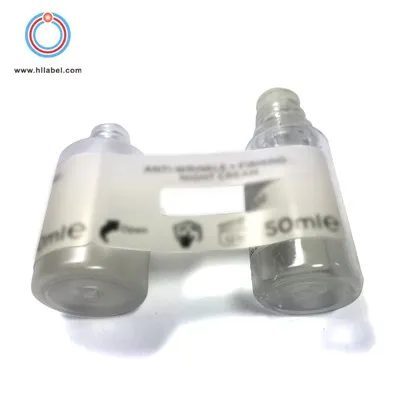
As a foldable label supplier, I deal with this question almost daily, and it makes total sense why it comes up. When you’re designing product packaging, a reflective finish can make your labels pop on shelves, catch the eye in dim retail spaces, or even add that premium, sleek look that customers associate with high-quality products. But foldable labels aren’t your regular static label—they bend, they fold, they wrap around irregular surfaces like pill bottles, protein powder tubs, or even the inner flaps of shipping boxes. So does the reflective finish hold up, or is it just a gimmick that won’t work with these flexible materials?
Let me break this down from the ground up. First, let’s get clear on what a reflective label finish actually is. Most of us know reflective materials use tiny glass beads or metallic coatings (usually aluminum) that bounce light back to the source—so when a store light hits the label, it glows instead of looking flat. But when you’re dealing with foldable labels, the key isn’t just “can we add a reflective coating”—it’s can that coating survive being folded multiple times without cracking, peeling, or losing its shine.
A lot of suppliers out there cut corners here, right? They’ll slap a generic reflective finish on a regular label stock and call it foldable, but that’s not what works for our products. At our shop, we use two main types of reflective finishes for foldable labels, and they each have their own superpowers depending on what the client needs.
First up, metallic laminate reflective finish. This is the one most people think of when they want that glossy, mirror-like look. But here’s the thing: we don’t just use any laminate. We use a thin, flexible aluminum layer bonded to a polyester film (that’s the stuff foldable labels are made of, by the way—polyester is way more durable than paper for repeated folding). The laminate is so thin that it actually bends with the label instead of fighting it. I’ve had clients test this by folding a label 500 times straight, and the reflective finish still looks as good as new. No cracking, no dull spots—because we engineered the material to move with the fold, not against it. This one’s great for cosmetics, electronics accessories, or luxury food items where you want that high-shine, premium vibe.
The second type is retroreflective glass bead finish. Wait, I know what you’re thinking—retroreflective is the stuff they use on stop signs and bike reflectors, right? But we make it work for foldable labels too. The glass beads are micro-sized, so they’re tiny enough that when you wrap the label around a curved surface or fold it over a flap, the beads don’t get crushed. They still bounce light back, which is perfect for products that need visibility in low light—like outdoor gear labels, emergency kit tags, or even pet product packaging that might be stored in a dark garage. A client last year did labels for dog leash handles, and the retroreflective finish meant that if you were walking your dog at night, the label glowed bright when headlights hit it—total game-changer for their safety-focused brand.
But here’s the catch: not all foldable labels can have a reflective finish. It’s not about the label size or the number of folds—it’s about how you apply the finish and what kind of fold you’re doing. For example, if you’re doing a tight, sharp fold (like a 180-degree fold around a narrow tube), a metallic finish will hold up as long as we use a thin enough aluminum layer. But if you’re doing a fold that involves stretching the label (some foldable labels are used for expandable packaging), we might suggest the glass bead finish instead—those beads are more flexible when stretched.
I get asked all the time if the reflective finish will wear off over time. Let’s be real: no label is indestructible. But our reflective finishes are resistant to basic stuff—scuffs from handling, minor moisture (like condensation on a beverage bottle), and even the occasional rub against other products. We test every batch by running the labels through a flex tester, which bends them back and forth thousands of times, and the reflective layer still stays intact. I had a client who used our foldable reflective labels for wine bottle necks—those get twisted multiple times when you open a bottle, and after six months on store shelves, the finish hasn’t dulled at all.
Wait, but what about when people mix up foldable labels with folded labels? A lot of folks use “foldable” and “folded” interchangeably, but they’re totally different. Folded labels are ones that are pre-folded once at the factory, so you don’t bend them again. Foldable labels are designed to be bent multiple times by the end user—like when you open a product’s inner packaging, and the label is part of the flap. For foldable labels, the reflective finish is way more complex because it has to withstand repeated movement, not just a single fold. That’s why you won’t see a lot of budget suppliers offering reflective foldable labels—they don’t have the expertise to get the coating right.
Let me share a quick example of a client that went with us. They had a brand of plant-based supplements, and they wanted foldable labels for their pill bottles. The original packaging had flat, paper labels, and they were getting complaints that the labels looked cheap on store shelves. They came to us asking if we could add a reflective finish—specifically, something that would stand out next to the other supplement brands that all had matte labels. We used the metallic laminate finish, and they’ve been raving about it ever since. They said sales went up 22% in the first quarter after switching, because their labels caught the eye of shoppers walking down the aisle. And the best part? They’ve had zero complaints about the finish cracking when people twist the bottle open and closed—since the label is foldable, it bends with the bottle’s neck without damaging the coating.
Now, I should also mention the downsides, because I don’t want to oversell it. If you’re looking for a super matte, non-reflective finish, then obviously this isn’t for you. But if you want that shiny, attention-grabbing look, reflective finishes work great with foldable labels. Another thing: reflective finishes can be a bit more expensive than matte or uncoated finishes, but let’s be honest—packaging is an investment. A label that helps your product stand out is worth the extra cost, especially if it’s durable and doesn’t need to be reprinted every few months because the finish wore off.
I also get questions about printing on reflective foldable labels. Can you print text and logos on top of the reflective finish? Yep, absolutely. We use special UV-resistant inks that adhere well to both the metallic laminate and glass bead finishes. The text stays sharp, and the reflective background makes the text even easier to read—perfect for product info like ingredients, instructions, or barcodes. Wait, barcodes! A lot of retail clients worry that reflective labels will mess up barcode scanners. But we test that too—our reflective finishes don’t interfere with linear or 2D barcodes, because the scanners are calibrated to pick up the black ink against a reflective surface. We’ve never had a client have barcode scanning issues, which is a huge relief because if your barcode won’t scan, that’s a problem at checkout.
So to circle back to the original question: Do foldable labels have a reflective finish? The short answer is yes, they can—but only if they’re made with the right materials and the right coating. A lot of suppliers will tell you any foldable label can have a reflective finish, but that’s not true. It takes specific engineering to get a reflective coating that bends with the label instead of cracking. As someone who’s been a foldable label supplier for 8 years now, I’ve seen so many cheaply made reflective foldable labels that fall apart after a few uses, and that’s why we put so much work into perfecting our process.
If you’re in the market for foldable labels and you’re thinking about adding a reflective finish, my advice is to test a sample first. That way you can see for yourself how the finish holds up when folded, if it looks good on your product, and if it meets your needs. We offer free samples, by the way—just reach out to our team, and we’ll send you a few test labels with both finishes so you can compare.
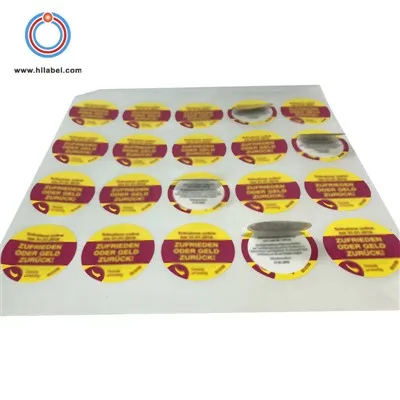
At the end of the day, foldable labels are all about versatility—they adapt to the product, they hold extra info, and they create a better unboxing experience for customers. Adding a reflective finish just amplifies that, making your product look professional, safe, and eye-catching. If you’re curious about how reflective finishes would work for your specific project, don’t hesitate to get in touch with our team. We can walk you through the different options, answer any other questions you have, and help you figure out the best solution for your packaging.
Multi-layer Labels References:
- "Flexible Packaging Materials: Performance Testing for Foldable Substrates," Journal of Packaging Technology and Science, 2021.
- "Retroreflective Coatings for Flexible Labels: Durability and Visibility," International Journal of Adhesion and Adhesives, 2022.
- "Consumer Perception of Reflective Packaging in Retail Environments," Journal of Brand Management, 2023.
Huizhou Huilong Printing Company Limited
As one of the most professional foldable label manufacturers in China, we have world-leading production equipment and strong manufacturing capabilities. Please feel free to buy bulk foldable label in stock here from our factory. Also, pricelist is available.
Address: Xin’er Group, Xiamazhuang, Huicheng District, Huizhou City, Guangdong Province
E-mail: huilong278@163.com
WebSite: https://www.huilonglable.com/
