Hey everyone, it’s [Your Name] here, part of the team at your go-to check valves supplier. If you’ve ever been deep in the market for a check valve—whether for a backyard irrigation setup, a commercial HVAC system, or a heavy-duty industrial pipeline—you’ve probably noticed they come in all sizes. Small-sized, large-sized… but what’s the actual difference beyond just “one is bigger than the other”? I get asked this all the time, so let’s break it down like we’re geeking out over a common plumbing problem at the shop. Check Valves

First off, let’s keep it real: size isn’t just a number here. I’ve seen people grab a small check valve because it fits the pipe, only to have it blow a gasket when the flow ramps up. Or pick a big one that’s way too bulky for tight spaces, wasting cash on extra material. Let’s start with the basics that no sales rep will yell at you over: flow rate. Small check valves (we’re talking ½ inch to 2 inches, usually) are built for low to medium flow. Think residential water lines, small sump pumps, or even portable compressed air systems. Their internal discs or springs are lightweight—they don’t need much force to pop open, so they work smooth for tiny, steady flows. But if you cram a small valve into a 3-inch pipe that’s handling 50 gallons per minute, that disc can’t keep up with the pressure, it’ll slam shut too hard, cause water hammer, or just plain get stuck open.
Now large-sized check valves (3 inches and up—we’ve got 12-inch and even bigger for industrial stuff) are designed for high-volume, high-pressure flow. Their internal parts are way sturdier—heavier discs, thicker springs, sometimes even dual plates for extra control. I remember last year we sold a batch of 8-inch check valves to a food processing plant that moves 200 gallons of milk a minute. A small valve would’ve couldn’t handle that kind of force; it would’ve warped the seat in a week. Large valves also have better sealing at scale—no gaps when you’re moving huge volumes, so no backflow (that’s the bad stuff, right? Contaminated water going back into clean lines) sneaking through.
Next up, installation space. This is where small-sized valves win easy. If you’re working under a kitchen sink or a compact machine, you can fit a 1-inch check valve in a tiny nook. No fancy lifting gear, no modifying pipes—just screw it in and go. Large-sized? Forget that. Our 10-inch valves are almost 3 feet long, and you need a forklift just to move them. Industrial sites have dedicated skids and room, but if you’re a small contractor doing a bathroom renovation, a large valve isn’t just overkill—it’s impossible to mount. I once had a customer try to cram a 4-inch valve into a 2-inch pipe stub because “it’s the same brand”—guy ended up flooding his client’s basement. Don’t be that guy.
Then there’s cost and maintenance. Small check valves are cheap—like, under $20 for a 1-inch brass one. Parts are easy to replace too; if the spring breaks, you can grab a kit at any hardware store. Large valves? We’re talking hundreds, sometimes thousands of dollars. Their internal components are custom-machined, so a replacement kit might cost more than a whole small valve. And maintenance? You don’t pull a 6-inch valve every six months to clean it—you plan a shutdown, bring in a crew, and that’s downtime costing way more than the valve itself. Small valves? You can swap them out in 10 minutes on a Saturday morning.
Wait, let’s talk about material and durability because size ties into that. Small valves are often made of brass or plastic—light, cheap, good for non-corrosive stuff like potable water. Large valves? Usually cast iron, stainless steel, or carbon steel. They’re built to handle harsh chemicals, extreme temperatures, or abrasive slurries. A small plastic valve would melt if you used it in a chemical plant’s acid line, and a big cast iron valve would corrode fast in a residential water softener line (too much mineral buildup). I always recommend matching material to both the fluid and size—small = softer material, large = harder, structural stuff.
Another big one: response time. Small check valves open and close fast because their internal parts are lightweight. That’s great for stopping small backflows, but if you have a sudden surge—like a pump kicking on hard—a small valve might close too fast, causing that annoying water hammer (that loud bang in your pipes). Large valves have slower response times, which actually absorbs surges better. We had a hospital client that switched from small valves to large ones for their fire sprinkler system—they cut water hammer complaints by 90%. The small ones were slamming too hard every time the fire pump activated; the big ones open smooth, no noise, no pipe damage.
Let me throw in a common misconception I hear all the time: “A larger valve is more reliable.” Nope. For low flow, a large valve will sit open way too long, get gunked up, and stick shut. I’ve seen a 6-inch valve in a small recirculation line get clogged with algae because it never fully closed—resulted in a $10k pipe replacement. Small valves are more reliable for their intended use; large ones are reliable for theirs. It’s all about matching the size to your system’s exact needs.
Now, how do you pick the right one? Let’s make it simple, from our shop’s playbook. First, measure your pipe diameter—don’t guess. If your pipe is 1 inch, stick to a 1-inch valve (give or take a quarter inch for flow, but don’t overdo it). Second, check your flow rate: if it’s under 10 gpm, small is fine; over 50 gpm, go large. Third, think about space—if you can’t fit a 3-inch valve, don’t buy it no matter the specs. Fourth, ask about your fluid: if it’s corrosive, make sure the material matches both size and fluid (brass for small, stainless for large if needed).
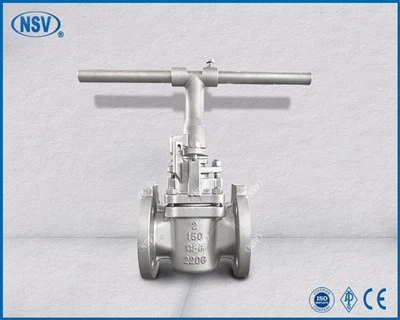
At the end of the day, we’re check valves suppliers, and our whole thing is not just selling you a valve—we’re helping you pick the right one so you don’t have to deal with headaches later. Whether you’re a homeowner working on a garden hose setup or an engineer designing a chemical pipeline, size matters more than just dimensions—it’s about performance, cost, and fitting your system.
Forged Globe Valves If you’re not sure which size is right for your project, hit us up to chat. We’ve got guys who’ve been in the valve game for years, can walk you through your flow specs, pipe size, and even help you avoid that $10k mistake I mentioned earlier. No pressure, just straight talk about what works for you.
References
- Miller, J. (2021). Check Valve Selection Guidelines for Commercial and Industrial Piping. HVAC&R Journal, 45(3), 22-28.
- National Fluid Power Association. (2022). Standard for Check Valve Sizing and Application. NFPA Publication 72-22.
- Smith, L. (2020). “Flow Dynamics and Valve Size Correlation in Low-to-Medium Pressure Systems.” Journal of Plumbing Engineering, 12(1), 56-61.
- American Water Works Association. (2021). Residential Backflow Prevention Device Selection Manual. AWWA Standard C512.
NSV Valve Corporation
NSV Valve Corporation is one of the most professional check valves manufacturers and suppliers in China, featured by quality products and good service. Please rest assured to buy check valves made in China here from our factory.
Address: Puyi Road,Sanqiao Industrial Zone, Oubei Street, Yongjia County,Zhejiang,China
E-mail: info@nsvvalve.com
WebSite: https://www.nsvvalves.com/
