Resin abrasive media is a crucial component in various industries, including metalworking, woodworking, and automotive finishing. As a supplier of resin abrasive media, I’ve witnessed firsthand the significant performance differences between different grades of this essential product. In this blog, I’ll delve into these differences, exploring how each grade caters to specific applications and requirements. Resin Abrasive Media
Understanding Resin Abrasive Media
Before we discuss the performance differences, let’s briefly understand what resin abrasive media is. Resin abrasive media consists of abrasive grains bonded together by a resin matrix. The abrasive grains can be made from materials such as aluminum oxide, silicon carbide, or ceramic, each offering unique cutting and finishing properties. The resin matrix holds the grains in place, providing stability and durability during the abrasion process.
Coarse Grades: Aggressive Cutting Power
Coarse grades of resin abrasive media are characterized by large abrasive grains. These grades are designed for heavy material removal, making them ideal for applications such as rough shaping, deburring, and rust removal. The large grains create deep scratches on the workpiece surface, allowing for rapid material removal.
One of the key performance advantages of coarse grades is their high cutting rate. In metalworking, for example, when preparing a rough-cast part for further machining, a coarse resin abrasive media can quickly remove excess material, reducing production time. However, the trade-off for this high cutting power is a rougher surface finish. The deep scratches left by the large grains require subsequent finishing steps to achieve a smooth surface.
Another aspect of coarse grades is their durability. The large grains are less likely to break down during the abrasion process, which means they can withstand high-pressure applications. This makes them suitable for use in heavy-duty grinding machines and for working on hard materials like steel and cast iron.
Medium Grades: Balanced Performance
Medium grades of resin abrasive media strike a balance between cutting power and surface finish. They have smaller abrasive grains compared to coarse grades, which results in a smoother surface finish while still maintaining a reasonable cutting rate.
In woodworking, medium grades are commonly used for sanding between coats of paint or stain. They can remove minor imperfections and smooth the wood surface without leaving deep scratches. In the automotive industry, medium grades are used for sanding body panels before painting. They can effectively remove old paint and smooth out dents and scratches, preparing the surface for a high-quality paint finish.
The performance of medium grades also depends on the type of resin used. Some resins are more flexible, which allows the abrasive media to conform to the shape of the workpiece, providing a more even finish. Others are more rigid, which can enhance the cutting efficiency.
Fine Grades: Precision Finishing
Fine grades of resin abrasive media have the smallest abrasive grains. They are designed for precision finishing applications where a smooth, polished surface is required. In the jewelry industry, for example, fine grades are used to polish precious metals and gemstones, giving them a high shine.
The main performance advantage of fine grades is their ability to produce a very smooth surface. The small grains create shallow scratches that are easily removed by subsequent polishing steps. This results in a mirror-like finish that is highly desirable in many industries.
However, fine grades have a lower cutting rate compared to coarse and medium grades. They are not suitable for heavy material removal but rather for final finishing touches. They also require more time and pressure to achieve the desired results, as the small grains are less effective at removing large amounts of material.
Ultra-Fine Grades: Microscopic Finishing
Ultra-fine grades of resin abrasive media take precision finishing to the next level. They have extremely small abrasive grains that can produce a surface finish that is almost free of scratches. These grades are used in applications where the highest level of surface quality is required, such as in the manufacturing of optical lenses and semiconductor wafers.
The performance of ultra-fine grades is highly dependent on the quality of the abrasive grains and the resin matrix. The grains need to be uniform in size and shape to ensure a consistent finish. The resin matrix needs to hold the grains securely in place while still allowing for some flexibility to conform to the workpiece surface.
Ultra-fine grades are typically used in combination with polishing compounds and lubricants to achieve the best results. They are applied using specialized equipment, such as polishing pads and vibration machines, to ensure a uniform and precise finish.
Factors Affecting Performance
In addition to the grade of the resin abrasive media, several other factors can affect its performance. The type of abrasive grain plays a significant role. Aluminum oxide is a common choice for general-purpose applications due to its hardness and durability. Silicon carbide is more suitable for grinding non-ferrous metals and ceramics because of its high hardness and sharp cutting edges. Ceramic grains offer superior cutting performance and are often used in high-precision applications.
The shape of the abrasive grains also affects performance. Angular grains have sharp edges that provide a more aggressive cutting action, while rounded grains are better for achieving a smooth finish. The density of the abrasive grains in the resin matrix can also impact the cutting rate and surface finish. A higher density of grains generally results in a higher cutting rate but may also produce a rougher finish.
The hardness of the resin matrix is another important factor. A harder resin matrix provides more support to the abrasive grains, resulting in a higher cutting rate. However, a softer resin matrix allows the grains to break down more easily, which can be beneficial for achieving a smoother finish.
Application-Specific Considerations
When selecting the appropriate grade of resin abrasive media, it’s essential to consider the specific application requirements. For example, in the aerospace industry, where precision and surface quality are of utmost importance, fine and ultra-fine grades may be preferred. In contrast, in the construction industry, where heavy material removal is often required, coarse grades may be more suitable.
The type of workpiece material also plays a crucial role. Softer materials like wood and plastics may require finer grades to avoid excessive damage, while harder materials like steel and titanium may require coarser grades for efficient material removal.
The equipment used for abrasion also affects the choice of resin abrasive media. Different grinding machines and polishing tools have different capabilities and requirements. For example, a high-speed grinder may require a more durable and aggressive abrasive media, while a handheld sander may be better suited for a finer and more flexible grade.
Conclusion
In conclusion, the performance differences between different grades of resin abrasive media are significant and cater to a wide range of applications. Coarse grades offer high cutting power for heavy material removal, medium grades provide a balance between cutting and finishing, fine grades are ideal for precision finishing, and ultra-fine grades are used for microscopic finishing.

As a supplier of resin abrasive media, I understand the importance of selecting the right grade for each application. We offer a comprehensive range of resin abrasive media grades to meet the diverse needs of our customers. Whether you’re a small workshop or a large manufacturing plant, we can provide you with the high-quality resin abrasive media that will help you achieve the best results.
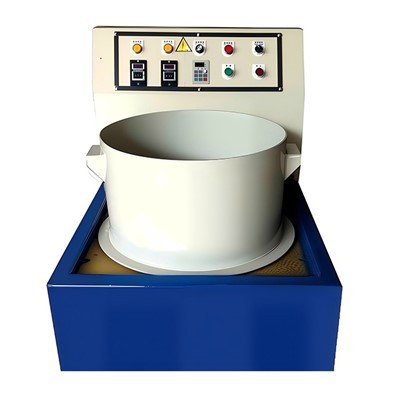
Centrifugal Barrel Finishing Machine If you’re interested in learning more about our resin abrasive media products or need assistance in selecting the right grade for your application, please don’t hesitate to contact us. Our team of experts is ready to discuss your requirements and provide you with the best solutions. Let’s work together to enhance your production efficiency and product quality.
References
- "Abrasive Technology Handbook" by R. L. Jackson
- "Surface Finishing Technology" by P. K. Jain
- Industry research reports on resin abrasive media applications
Dongguan Xindingsheng Intelligent Grinding Technology Co., Ltd.
Dongguan Xindingsheng Intelligent Grinding Technology Co., Ltd. is one of the most reliable resin abrasive media manufacturers and suppliers in China, also supports customized service. Please feel free to wholesale bulk high quality resin abrasive media in stock here from our factory. Contact us for pricelist.
Address: Room 101, Building 1, No. 73 Dahuangmei Road, Dalingshan Town, Dongguan City, Guangdong Province, China
E-mail: cndskj@126.com
WebSite: https://www.xdsfinishing.com/
